Septic Services 101: What Every Property Owner Should Know
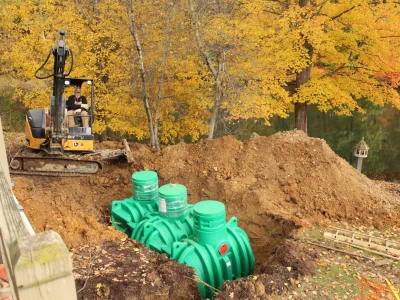

A septic system is easy to ignore when it is doing its job. Wastewater leaves the house, drains disappear, toilets flush, and life goes on. That quiet reliability is part of the problem. Many property owners do not think seriously about septic services until there is standing water in the yard, a sewage smell near the tank, or a drain backing up on a holiday weekend.
By that point, the system is not asking for routine attention. It is demanding emergency attention, which is almost always more disruptive and more expensive.
If you own a home, rental property, small commercial site, or rural parcel with an onsite wastewater system, a working knowledge of septic care pays off. It helps you budget better, spot trouble sooner, hire the right contractor, and avoid the kind of preventable failures that can cost thousands. Septic work is not glamorous, but it sits at the intersection of health, safety, property value, and environmental responsibility. That makes it worth understanding in plain terms.
What a septic system actually does
At its core, a septic system treats household wastewater onsite. Everything that leaves sinks, showers, toilets, washing machines, and dishwashers flows to a buried tank. In that tank, solids settle to the bottom as sludge, oils and grease rise to the top as scum, and the liquid in the middle moves out toward the drain field or another approved dispersal component.
The tank is not a magic box that makes waste disappear. It is a separator and holding chamber. Bacteria help break down some solids, but decomposition is incomplete. Over time, sludge and scum accumulate, and they must be removed through pumping. If they are not, those solids can push into the drain field and shorten the life of the entire system.
The drain field, sometimes called a leach field, finishes the job. Effluent filters through soil, where natural processes remove contaminants. When the soil is overloaded, compacted, saturated, or contaminated with solids from a neglected tank, treatment drops off fast. That is when repairs become complicated.
The basic concept is simple. The consequences of neglect are not.
The septic services most owners will need
The phrase septic services covers more than pumping. A good service provider may inspect tanks, locate buried lids, clean effluent filters, test alarms, diagnose backup issues, map components, repair baffles, replace risers, and evaluate drain field performance. Some companies focus on maintenance, while others handle full installation and major repair work. Knowing the difference matters when you start calling around.
For a typical property owner, the most common needs are straightforward:
- routine pumping and tank cleaning
- periodic inspections, especially during a sale or after a long period without records
- minor repairs such as lid replacement, riser installation, baffle work, or filter cleaning
- troubleshooting for slow drains, odors, wet spots, or alarms
- larger repairs if the tank, lines, pumps, or drain field are failing
That list looks manageable because, in many cases, it is. The challenge is timing. A system that gets regular service usually gives you years of predictable performance. A system that gets ignored tends to fail at the worst possible moment, often under heavy use from guests, holiday gatherings, or a busy rental season.
How often pumping is really needed
One of the most common questions is how often a septic tank should be pumped. There is no single answer that fits every property. Tank size, household size, water use, garbage disposal use, and maintenance history all influence the schedule. Many homes fall somewhere in the range of every three to five years, but that is a starting point, not a rule etched in stone.
A two-bedroom home with two careful occupants and a properly sized tank may go longer than a busy household with four or five people, frequent laundry loads, and high water consumption. Add a garbage disposal, and solids usually build faster. Add a vacation rental pattern where occupancy swings wildly, and the wear becomes harder to predict.
I have seen homeowners proudly say they have not pumped in ten years, as if that proves the system is exceptionally durable. It usually proves only that they have been lucky. Sometimes a tank survives long intervals because water use is low, but sometimes the solids have already reached a level where the drain field is quietly taking damage. The first scenario saves money. The second one creates a much larger bill later.
A proper pumping schedule is based on records and observation, not guesswork. If your provider measures sludge and scum levels during service, that information becomes useful. Over two or three visits, a pattern emerges, and the schedule gets more precise.
The warning signs owners should never ignore
Septic systems rarely fail without giving some warning. The trouble is that many warnings are subtle at first. A single slow toilet can seem like a minor plumbing nuisance. An occasional gurgle might seem harmless. A damp patch in the yard after rain can blend into the landscape. Put those clues together, though, and they often point to a system under stress.
Watch for recurring slow drains throughout the house, not just in one fixture. A single slow sink usually suggests a local clog. Several sluggish fixtures, especially on the lowest level of the house, may point toward the septic line or tank. Listen for gurgling after flushing or draining a bathtub. Smell matters too. Persistent sewage odor near the tank, drain field, or even indoors is not normal.
One of the clearest outdoor signs is unusually lush grass over the tank or field area during dry weather. Homeowners sometimes joke that the lawn has found its favorite spot. That extra growth often means wastewater is surfacing where it should not. Standing water, soggy soil, or black mushy patches are even more serious.
If your system has a pump chamber or alarm, treat an alarm as urgent. It does not always mean total failure, but it does mean the system needs attention. Too many owners silence an alarm and plan to call https://privatebin.net/?ce52fc229af4f7fb#HPShJeK1LAkXGaYkrRqTiFrG6kPaT4muxuq8VK6ZWUYx later. Later is often after the basement bathroom backs up.
Why inspections matter even when nothing seems wrong
Routine pumping removes solids. Inspection tells you whether the rest of the system is healthy. The two are related but not identical.
A thorough septic inspection can reveal cracked lids, deteriorated baffles, root intrusion, damaged tees, blocked filters, high liquid levels, or evidence that effluent is not leaving the tank properly. These are the kinds of issues that a homeowner would not see from the kitchen window, but they can turn into expensive failures if left alone.
Inspections become especially important in property transactions. Buyers often focus on roofs, foundations, and HVAC equipment while treating the septic system as an afterthought. That is risky. Replacing a failed system can cost from several thousand dollars into the tens of thousands, depending on local regulations, soil conditions, site access, and whether advanced treatment is required. A house with a bargain purchase price can stop looking like a bargain once the wastewater system needs major work.
For owners of older homes, inspections also answer a basic but important question: what is actually buried out there? Many rural properties change hands with poor records. The tank may not be where the owner thinks it is. The field may have been expanded, repaired, or partially abandoned years earlier. I have met owners who were mowing over cleanouts they did not know existed. A good inspection brings the system back into focus.
Habits inside the house that shape system life
Septic longevity starts indoors. What goes down the drain determines how hard the system has to work and how quickly solids accumulate. Most damage does not come from a single dramatic mistake. It comes from steady daily habits that seem small in isolation.
Excess water is one of the biggest culprits. A septic system needs time to separate solids and allow effluent to move through the field at a reasonable rate. If a household sends too much water too quickly, the tank gets churned and the field gets overloaded. Long showers, leaking toilets, frequent back-to-back laundry loads, and high occupancy all contribute.
What gets flushed matters just as much. Despite marketing claims, many so-called flushable wipes do not break down fast enough for septic systems. They are a routine cause of clogs and pump problems. Feminine hygiene products, paper towels, dental floss, cotton swabs, cat litter, and grease are also common offenders. The tank will collect some of this material, but it does not process it well.
Chemical use deserves a measured view. Normal household cleaning products, used in ordinary quantities, usually do not destroy a healthy septic system. Panic over every bottle under the sink is not necessary. But dumping paint, solvents, pesticides, or large volumes of harsh chemicals into drains is asking for trouble. Those materials do not belong in the tank or the soil treatment area.
The drain field is where many expensive mistakes happen
When owners think about septic maintenance, they usually think about the tank. Yet the drain field is often the more delicate and expensive part of the system. Once a drain field is badly damaged, repair options narrow quickly.
The field needs uncompacted soil and a stable flow of partially treated effluent. Heavy vehicles driven over the area can crush lines or compact the soil enough to reduce treatment capacity. That includes delivery trucks, paving equipment, and sometimes even repeated traffic from riding mowers on wet ground. Building a shed, patio, pool, or driveway over the field is another classic mistake. The field is not spare yard space. It is working infrastructure.
Roots are another long-term threat. Trees and aggressive shrubs seek moisture, and septic lines provide a reliable source. Planting too close to the field or sewer line often looks fine for several years before root intrusion begins. By the time symptoms show up indoors, the underground problem may be extensive.
Drainage patterns matter too. Roof runoff, sump discharge, or landscape grading that directs water toward the field can saturate the soil. A field that cannot shed excess moisture loses treatment capacity. In some wet seasons, even a healthy system runs close to its limit. Add unnecessary surface water, and performance drops quickly.
Common myths that cost owners money
Septic systems attract folklore. Some of it sounds harmless, but bad information leads to bad decisions.
One persistent myth is that additives can replace pumping. Enzymes and bacterial treatments are marketed aggressively, and some owners rely on them because they sound easier than scheduling service. The problem is that no additive removes the need to physically remove accumulated sludge and scum. At best, some products do little. At worst, they stir solids into suspension and move them toward the drain field.
Another myth is that a septic smell after rain is normal and should be ignored. Weather can influence odor, especially when the soil is saturated, but recurring odor is still a signal. It may reflect a full tank, venting issue, overloaded field, or surfacing effluent. Normalizing the smell does not make the underlying condition healthy.
There is also a belief that if drains are working, the system is fine. That is not always true. Many failing systems continue to accept wastewater for a long time before obvious backups occur. By the time the house starts draining poorly, the field may already be compromised.
Finally, some owners assume all septic contractors offer the same level of service. They do not. Experience, equipment, diagnostic skill, and attention to detail vary widely. A cheap pump-out that skips inspection and leaves broken lids or hidden issues unaddressed is not always a bargain.
Choosing a septic service company without guessing
Hiring the right provider matters almost as much as maintaining the system itself. Good septic work is practical, but it is also diagnostic. You want someone who can explain what they found, not just someone who can empty a tank and hand you a receipt.
Start with the basics. Confirm licensing requirements in your area and ask whether the company handles only pumping or also inspections and repairs. A company that can service, inspect, and document the condition of the system often gives you a clearer picture over time. Ask if they keep visit records. That history becomes valuable years later.
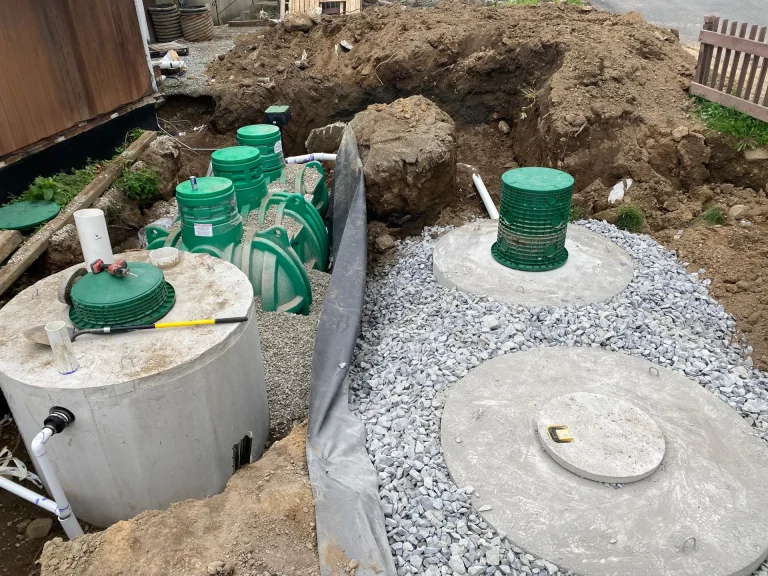
A strong provider will speak plainly about tank size, sludge levels, filter condition, access lids, and signs of trouble. They should be willing to discuss the trade-offs between immediate repair and watchful waiting. For example, a cracked lid may need prompt replacement for safety, while a slightly worn baffle might be monitored if it is still functioning. Judgment matters.
It also helps to ask practical questions before the truck arrives. Do they need the tank uncovered, or will they locate and dig? Is there an extra fee for difficult access? Will they inspect the tank interior and clean the filter if present? Do they provide a service report? Those details separate a routine visit from a useful one.
When repair makes sense, and when replacement is smarter
No owner wants to hear that a septic system may need major work. Still, not every problem means complete replacement. Some issues are relatively contained. A damaged inlet tee, missing baffle, broken riser, failing pump, or blocked effluent filter can often be repaired without tearing up the yard.
Drain field problems are harder. If the field has been hydraulically overloaded for a short period, reducing water use and addressing the cause may help. If the soil is permanently clogged with solids because the tank was not pumped on time, recovery is much less likely. At that stage, partial or full field replacement may be the only durable fix.
Age plays a role, but it is not the only factor. An older system that has been well maintained and appropriately used can outperform a newer one that has been abused. Site constraints also matter. On a roomy rural lot, replacement may be straightforward. On a steep, wooded, waterfront, or heavily developed site, the design options can become expensive very quickly because modern codes often require setbacks, reserve areas, and stricter treatment standards.
This is where experienced judgment is essential. The cheapest fix today is not always the least expensive path over five years. Sometimes it makes sense to repair and continue monitoring. Other times, spending money on repeated stopgap work only delays the inevitable and raises the total cost.
A practical maintenance mindset
Owners often ask for a simple checklist, but septic care works best as a mindset rather than a once-a-year chore. Keep records. Know where the tank and field are located. Watch for subtle changes. Use water sensibly. Pump on schedule. Call early when symptoms appear.
Here are the habits that consistently pay off:
- keep a file with pump dates, inspection notes, tank size, and system map
- repair leaking toilets and fixtures promptly to reduce unnecessary water load
- spread laundry over the week instead of running many loads in one day
- keep vehicles, fill dirt, and structures off the drain field area
- schedule service before problems become emergencies
That is not complicated, but it requires attention. Septic systems reward ordinary discipline more than heroic intervention.
Special situations: rentals, seasonal homes, and older properties
Not every property behaves like a typical owner-occupied home. Rentals, short-term stays, weekend cabins, and inherited family properties each bring their own risk pattern.
Rental properties often suffer from misuse because the occupants do not feel long-term ownership. Wipes, grease, and excessive water use are common. If you manage rentals, clear instructions inside the property are worth the effort, especially if the house hosts large groups. A home designed for three bedrooms can still be stressed badly if ten people stay there every weekend and do laundry nonstop.
Seasonal homes have a different issue. Long periods of low use are usually fine, but owners often arrive and put the system under sudden heavy demand. A cabin that sits quiet for months may then host a busy holiday crowd. If the system has not been pumped in years, that surge can expose weaknesses fast.
Older properties deserve extra caution because documentation is often incomplete. The system may predate current standards, and repairs may have been made informally over the years. I have seen tanks with buried lids too deep for quick access, unknown dry wells mistaken for septic tanks, and homemade modifications that made diagnosis far harder than it needed to be. For an older site, paying for a careful evaluation is usually money well spent.
The cost question everyone asks
Costs vary widely by region, accessibility, tank size, permit requirements, and the complexity of the work. Routine pumping is usually one of the more manageable ownership expenses. Major repair or replacement is where budgets can get strained. That gap is exactly why regular septic services matter.
Think of maintenance as a way to protect a much larger asset. A scheduled pump-out and inspection may feel inconvenient in the moment, but it is minor compared with excavating a failed field, dealing with unusable bathrooms, restoring landscaping, and navigating local permitting under pressure.
It also helps to remember that septic problems do not stay neatly contained. A failing system can affect wells, neighboring properties, surface water, and real estate transactions. What starts as a maintenance issue can become a legal, environmental, and financial issue if ignored long enough.
What every owner should carry forward
A septic system does not need constant attention, but it does need informed attention. Property owners who understand the basic mechanics, respect the limits of the system, and schedule septic services before trouble starts usually avoid the worst outcomes. They spend less on emergencies, preserve system life, and make better decisions when repair questions come up.
The system under your yard is part of the property’s essential infrastructure, no different in importance than the roof overhead or the foundation underfoot. Treat it that way. Know where it is, know how it works, and build a relationship with a reputable service provider before you need an emergency call. That simple shift, from reacting late to maintaining early, is what separates routine ownership from costly disruption.
Excavating New Jersey LLC
Address: 406 County Rd 565, Wantage, NJ 07461
Phone number: +19737914284
FAQ About Septic Services
What is the average cost to get a septic tank emptied?
Emptying a septic tank costs between $290 and $560 on average, with most homeowners paying about $420. Prices vary based on tank size.
What is septic service?
Septic service inspects, pumps, cleans, and maintains a septic tank. A septic tank is a large, underground container that collects and treats wastewater from your home. Over time, sludge, scum, and other debris, like hair and solids, can build up in your tank and clog your drain field.
How often should you have a septic tank serviced?
A standard septic tank should be inspected every 1 to 3 years and pumped every 3 to 5 years. However, the exact schedule depends on your tank's capacity, household size, and daily water usage.